Buying & Selling December 6, 2017

Six Key Factors That Affect the Sales Price of Your Home

Pricing a home for sale is not nearly as simple as most people think. You can’t base the price on what the house down the street sold for. You can’t depend on tax assessments. Even automatic valuation methods (AVMs), while useful for a rough estimate of value, are unreliable for purposes of pricing a home for sale.

AVMs, like those used by Zillow and Eppraisal, have been used for many years by banks for appraisal purposes. They are derived from algorithms based on past sales. But producers of AVMs agree that they are not accurate indicators of home value. For example, Zillow.com states, “Our data sources may be incomplete or incorrect; also, we have not physically inspected a specific home. Remember, the Zestimate is a starting point and does not consider all the market intricacies that can determine the actual price a house will sell for. It is not an appraisal.”

So what does Zillow recommend sellers do instead? The same thing the real estate industry has been advising for decades: Ask a real estate agent who knows your neighborhood to provide you with a comparative market analysis. To accomplish that, I typically consider the following factors—plus others, depending on the house:

Location

The location of your home will have the biggest impact on how much it can sell for. Identical homes located just blocks apart can fetch significantly different prices based on location-specific conditions unique to each, including: traffic, freeway-access, noise, crime, sun exposure, views, parking, neighboring homes, vacant lots, foreclosures, the number of surrounding rentals, access to quality schools, parks, shops, restaurants and more.

Recommendation: Be willing to price your house for less if it’s located in a less desirable area or near a neighborhood nuisance.

Market

Another major factor that also can’t be controlled is your local housing market (which could be quite different from the national, state or city housing markets). If there are few other homes on the market in your local area (a situation known as a “sellers market”), you may be able to set a higher price. However, if there’s a surplus of homes like yours for sale (a “buyer’s market”), your pricing will also reflect that.

Recommendation: If it’s a buyer’s market and you can delay selling your home until things change, you should consider doing so. If you can’t wait, be willing to price your home extremely competitively, especially if you are in a hurry to sell.

Condition

The majority of buyers are not looking to purchase fixer-uppers, which is why any deferred maintenance and repair issues can also significantly impact the selling price of your home. When your home’s condition is different than the average condition of homes in your location, AVMs tend to produce the widest range of error.

Recommendation:  Hire a professional home inspector to provide you with a full, written report of everything that needs upgrading, maintenance or repair, then work with your real estate agent to prioritize the list and decide what items are worth completing before the property is listed for sale, and what should be addressed through a lower list price. Also, some defects are best addressed during negotiations with buyers.

Widespread appeal

If you want to sell your home quickly and for the most money, you have to make it as appealing as possible to the largest pool of prospective buyers. The more universally attractive it is, the greater the interest and the faster competing offers will come.

Recommendation:

Hire a professional home stager (not a decorator) to temporarily stage the interior of your home. Also spend time making the exterior look its best: address any peeling paint, make sure the front door/ door hardware is attractive, prune bushes and trees, remove old play equipment and outdoor structures, etc.

Compare homes

The only neighboring homes that should be used to estimate the value of your home are those that have been carefully selected by a real estate professional with special training, access to all sales records, and in-depth knowledge of the neighborhood.

Recommendation: If you’re considering selling your home, ask your real estate agent to recommend a professional appraiser.

Searchability

When working with a prospective buyer, most real estate agents will search the available inventory only for the homes priced at (or less than) their client’s maximum, which is typically a round number. If you home is priced slightly above or below that amount (e.g., $510,000 or $495,000), it will appear in fewer buyer searches.

Recommendation: Be willing to adjust your selling price to maximize visibility.

Periodic price adjustments

Pricing a home isn’t a set-it-and-forget-it proposal. As with any strategy, you need to be prepared to adapt to fast-changing market conditions, new competition, a lack of offers and other outside factors.

Recommendation: After listing your house, be ready to adjust your asking price, if necessary. If you are looking for a qualified Real Estate Agent please contact us here.

Buying & Selling December 5, 2017

Relocating Your Home to Advance Your Career

Many of us dream of getting a better job. But when a promotion or new job opportunity comes with a request to relocate, the result can be very disruptive to your home life. There’s a lot to consider when making this kind of move, such as do you have a home to sell? Are you planning to rent or buy when you relocate? Is your employer covering some of the costs of your relocation? Should you hire a moving company or handle the move yourself? Following is an overview of some of the most important factors you should take into consideration when relocating.

Assessing the situation

The idea of moving to a new area and into a new job can be very exciting, but you’ll want to assess the situation carefully:

Do your best to make sure the job is a good fit, the boss is a good personality match (and plans to stay long-term), and that you’ll be comfortable in your new role for at least three years.

Meet with a human resources manager to make sure you understand all the details of the relocation package.

Thoroughly research your destination to ensure it’s a good fit for your entire family, and that there are other potential employers in the area in the event your new job doesn’t work out.

Use one of the online cost-of-living calculators to determine if there’s a significant difference between what you pay now (for rent/mortgage, utilities, groceries, gas, insurance, and more) and what you can expect to pay in the new location.

If your spouse works or is planning to enter the workforce, he or she should apply for jobs in the area to test the employment conditions.

Ask your real estate agent to perform a detailed market analysis to estimate the value of your current home.

If you live in an apartment, review your lease carefully to determine if you are facing any penalties for moving out.

Renting versus buying

Once you have made the decision to relocate it’s time to consider your housing options—not only where you live and what type of home you want to live in, but whether to rent or buy.

Financially speaking, it makes more sense to buy today than to rent in most markets. According to the latest research on the subject, it costs 15 percent less to own a home than to rent an apartment in the current economy. That said, renting may be a better option if:

You can’t decide where you want to live.

You don’t qualify for a home loan.

You need to keep your current home and can’t afford a second home.

You’re moving to an area where home prices are extremely high (e.g., New York City, San Francisco, Orange County).

You’re not yet certain whether you’ll want to stay long-term in the new location.

Moving your belongings

Fewer and fewer companies are offering to pay employee moving costs today, which means it may be up to you to arrange for one of the following options:

Hire out the entire process (the moving company does all the packing, loading, driving, and unloading). Expect to pay between $6,000 to $8,000, on average.

You pack all the boxes while the moving company does all the loading, driving and unloading. Expect to pay between $3,500 and $5,500, on average.

You rent a truck and do all the packing/unpacking and driving. Expect to pay between $2,000 and $3,000, on average.

Making the move easier

Relocating can be exhilarating, but also extremely stressful—especially if you have school-age children or teens. Here are four tips to make the process easier:

Get everyone in the family talking about their feelings and concerns. And make sure you’re doing as much listening as talking.

If you have children, include them in the planning and packing work to make them feel more involved. You may want to hold a going-away party for your children, to show that the move is worth celebrating.

If you have pets, ask your veterinarian, your moving company, and your airline (if you’ll be flying) to provide you with information, tips and any regulations.

To protect yourself from identity theft, only work with trustworthy moving companies; submit a change-of-address form to the post office about two weeks before your move; consider moving financial records and other personal files yourself.

Last year, the overwhelming majority of people (77 percent) who decided to move for work reported they were happy and had no regrets.

Buying & Selling December 4, 2017

Managing Mold: How homeowners can avoid costly mold problems

Whether you are buying or selling a home, mold has become a hot issue. Health concerns and potential damage make mold a red flag for buyers. And even if you’re not planning to sell anytime soon, taking care of mold problems now can prevent even larger problems in the future. Contrary to what some people think, mold is not a geographic problem—it can occur anywhere, no matter where you live. Here is some basic information about mold and how to deal with it.

What is mold?

Molds are microscopic organisms that are found virtually everywhere, indoors and outdoors. There are thousands of different kinds of mold. Their natural function is to help break down dead materials such as stumps and leaves so the nutrients can be used by the environment. For molds to grow, they need two things: an organic food source—such as leaves, wood, paper or dirt—and moisture.

Problems associated with mold

Mother Nature uses mold to decompose plant material. Unfortunately, when present indoors, it can be equally destructive. Mold growth can damage furnishings, such as carpets, sofas and cabinets. Left unchecked, it can also cause serious damage to walls and structural elements in your home.

Mold is present everywhere, and most people tolerate exposure with no adverse effects. If allowed to spread, however, it may cause problems. As molds grow, they release thousands of tiny spores that travel through the air. When inhaled in large enough amounts, these spores may increase the risk of adverse health effects in some people, particularly respiratory problems.  A less-common strain of mold called “black mold” can be particularly troublesome to those who are especially sensitive.

Common causes of mold problems

Don’t think that just because you live in a hot, dry climate, your home is not vulnerable to mold. There are many sources of mold problems, from faulty air conditioners to poorly positioned sprinkler systems. Federal standards for energy-efficient home building have even contributed to the problems. By making homes more airtight, construction techniques in newer homes can trap moisture inside.

Here are the most common sources of mold inside the home:

  • Flooding
  • Leaky roofs or damaged gutters
  • Heating or cooling system problems
  • Poor drainage next to foundation
  • Plumbing leaks from toilets, refrigerators and dishwashers
  • Damp basement or crawl space
  • Leaking windows or doors
  • Steam from shower or cooking
  • Indoor exhaust from clothes dryer

What to look for

If you can see or smell mold inside your home, it’s time to take measures. Any area that has sustained past or ongoing water damage should be thoroughly inspected—you may find hidden mold growth in water-damaged walls, floors or ceilings. Walls and floors that are warping or discolored can also indicated moisture problems, as can condensation on windows or walls.

Preventing mold in your home

Since mold is always present, there’ no way to eliminate it completely. You can control indoor mold growth, however, by controlling moisture.

  1. Remove the source of moisture by fixing any leaks or other water problems.
  2. Make sure bathroom fans and dryers are properly vented to the outside. Always use the exhaust fan when cooking or showering.
  3. Use a dehumidifier or air-conditioning system. Make sure your AC system is well maintained and is the correct size for your home. A faulty AC system can cool the air without removing the water vapor, creating high humidity.
  4. Insulate your home well to prevent indoor condensation.
  5. Have your heating, ventilation and cooling systems professionally cleaned annually. Air-duct systems can easily become contaminated with mold.
  6. Regularly clean moist area such as the bathroom with products that treat mildew.
  7. Dry-clean, rather than wet-clean, your carpets.
  8. Avoid carpeting bathrooms and basements.
  9. Clean any moldy surfaces as soon as you notice them.

Mold clean-up

Mold is a manageable problem. Unless it is dealt with correctly, however, it will continue to come back. If your mold problem is severe or if you have extensive water damage, it’s best to call an experienced, professional contractor who specializes in mold removal. If you have a mold problem that is isolated to a small area, less than a square yard or so, you can try to resolve it yourself.

Porous items that are hard to clean, such as carpet and drapes, should be discarded. Moldy sheetrock and ceiling tiles can be removed and replaced.

Hard, nonabsorbent surfaces such as glass, plastic and metal can be thoroughly cleaned with soap and water. Allow to dry completely.

For solid items that are semi-porous, such as floors, cabinets and wood furniture, scrub with an ammonia-free cleaner and hot water to remove all mold. Rinse with water and dry thoroughly. After cleaning, apply a mildewcide to kill mold and spores.

When cleaning mold, remember to wear gloves, a mask and eye protection, and work in a well-ventilated area. Never mix cleaner containing bleach and ammonia; this can result in the release of a toxic gas. And be sure to throw away any sponges or rags that you use for cleaning.

For more information on Windermere Evergreen please contact us here.

Buying & Selling December 3, 2017

Selling Your Home? Go Through This Safety Checklist With Your Real Estate Agent

Selling your home can be stressful for many reasons. Not only are you trying to get the best financial return on your investment, but you might also be working on a tight deadline. There’s also the pressure to keep your home clean and organized at all times for prospective buyers.  One thing you can be sure of when selling your home is that there will be strangers entering your space, so it’s important for you and your agent to take certain safety precautions.

  • Go through your medicine cabinets and remove all prescription medications.
  • Remove or lock up precious belongings and personal information. You will want to store your jewelry, family heirlooms, and personal/financial information in a secure location to keep them from getting displaced or stolen.
  • Remove family photos. We recommend removing your family photos during the staging process so potential buyers can see themselves living in the home. It’s also a good way to protect your privacy.
  • Check your windows and doors for secure closings before and after showings. If someone is looking to get back into your home following a showing or an open house, they will look for weak locks or they might unlock a window or door.
  • Consider extra security measures such as an alarm system or other monitoring tools like cameras.
  • Don’t show your own home! If someone you don’t know walks up to your home asking for a showing, don’t let them in. You want to have an agent present to show your home at all times. Agents should have screening precautions to keep you and them safe from potential danger.

Talk to your agent about the following safety precautions:

  • Do a walk-through with your agent to make sure you have identified everything that needs to be removed or secured, such as medications, belongings, and photos.
  • Go over your agent’s screening process:
    • Phone screening prior to showing the home
    • Process for identifying and qualifying buyers for showings
    • Their personal safety during showings and open houses
  • Lockboxes to secure your keys for showings should be up to date. Electronic lockboxes actually track who has had access to your home.
  • Work with your agent on an open house checklist:
    • Do they collect contact information of everyone entering the home?
    • Do they work with a partner to ensure their personal safety?
  • Go through your home’s entrances and exits and share important household information so your agent can advise how to secure your property while it’s on the market.

Your safety, as well as that of your agent and your home, is of paramount importance when selling a property. For more information, visit:

http://www.mercurynews.com/los-gatos/ci_26509084/realtors-issue-safety-tips-folks-who-are-selling

http://realtormag.realtor.org/sales-and-marketing/feature/article/2014/09/safety-talk-you-need-have-clients

For more information on Windermere Evergreen please contact us here.


Buying & Selling December 2, 2017

How to Hire a Home Inspector

Is this year you make the leap to buy your first home?

A home is a major investment and, for many people, the greatest financial asset they have. With so much at stake, it makes sense to do what you can to protect your financial interest. Getting a home inspection is a smart, simple way to do just that.

When you make a written offer on a home, insist that the offer provide that your contract is contingent on a home inspection conducted by a qualified inspector. You’ll have to pay for the inspection yourself, but an investment of a few hundred dollars could save you thousands of dollars and years of headaches. If you’re satisfied with the results of the inspection and are assured that the home you’re purchasing is in good shape, you can proceed with your transaction, confident that you are making a smart purchase.

Hire a professional

When you are ready to hire a home inspector, be sure they’re licensed in your state. They should be able to provide you with their license number, which you can use to verify their status with the appropriate government agency. The best way to find an inspector is to ask your real estate agent for a recommendation. Even among licensed and qualified home inspectors, there can be a difference in knowledge, performance, and communication skills, so it’s a good idea to do some research to ensure that you get the type of inspection you need.

What to ask your home inspector

Ask the right questions to make sure you are hiring the right professional for the job.

What does your inspection cover?

Insist that you get this information in writing. Then make sure that it’s in compliance with state requirements and includes the items you want inspected.

How long have you been in the business?

Ask for referrals, especially with newer inspectors.

Are you experienced in residential inspections?

Residential inspection in a unique discipline with specific challenges, so it’s important to make sure the inspector is experienced in this area.

Do you make repairs or make improvements based on inspection?

Some states and/or professional associations allow the inspector to perform repair work on problems uncovered in an inspection. If you’re considering engaging your inspector to do repairs, be sure to get referrals.

How long will the inspection take?

A typical single-family dwelling takes two to three hours.

How much will it cost?

Costs can vary depending upon a variety of things, such as the square footage, age, and foundation of the house.

What type of report will you provide and when will I get it?

Ask to see samples to make sure you understand his or her reporting style. Also make sure the timeline works for you.

Can I be there for the inspection?

This could be a valuable learning opportunity. If your inspector refuses, this should raise a red flag.

Are you a member of a professional home inspector association? What other credentials do you hold?

Ask to see their membership ID; it provides some assurance.

Do you keep your skills up to date through continuing education?

An inspector’s interest in continuing education shows a genuine commitment to performing at the highest level. It’s especially important with older homes or homes with unique elements.

What doesn’t a home inspection cover?

For a variety of reasons, some homes will require specialty inspections that are not covered by a typical home inspection. A specialty inspection might include such items as your home’s sewer scope, septic system, geotechnical conditions (for homes perched on steep slopes or where there are concerns regarding soil stability) or underground oil storage tank. If you have any questions about whether or not your home needs a specialty inspection, talk to your real estate agent.

Buying & Selling December 1, 2017

Design Trends That Sell New Homes

Are you drawn to new construction homes? As a homeowner, do you ever wonder what design trends are most appealing to buyers? Well, at the Windermere Builder Solutions breakfast yesterday, agents from throughout the Seattle area came together to discuss the features and trends that are drawing buyers to new homes.

The highlight of the breakfast was a presentation by the Macadam Floor and Design Center.  Located in Kirkland, Washington, they specialize in providing flooring and interior design materials, as well as installation, design, and project management assistance to the construction industry and other professionals. They walked the group through the five reasons buyers are drawn to new construction homes.

1. Modern features.

2. Customization opportunities.

3. Less maintenance and repairs.

4. Being the first to live in the home.

5. Getting to live in a newly developed neighborhood.

So, what’s new in the design trend sphere? Right now it’s all about texture and simplifying. Say goodbye to bold, busy styles and trade them in for the natural, classy look with muted tones. Your color pallet should be moving away from the golden beige and heading towards the warm grey (and pastels).

Here are some key trends to follow:

Wallpaper – We know what you’re thinking, wallpaper is so 80s, right? Actually, wallpaper today is much more sophisticated and can add texture to highlight walls, powder rooms, or dining rooms. Wherever you decide to put it, make sure it fits the ambiance of the room.

Counter Tops – Whether it’s in your kitchen or master bathroom, white is all the rage right now. Here’s a tip we picked up: you might love the look of marble, but it’s not very practical because it’s susceptible to staining, scratching, and etching. Quartz allows for the same chic look that marble has without all the hassle. Want to be über modern? Invest in a waterfall kitchen island where the counter top comes down on both sides to meet the floor.

Architecture Elements – Open concept floor plans are opening up even more if you can believe it. People are shedding their walls and opting for rooms that are defined by posts, adding bigger kitchens and living spaces, and even floating stairs. Some even refer to them as “super rooms” because these spaces are so multi-purpose. This will make your home feel less cramped and fresher. Curl up to a full-height fireplace for added effect.

Tile – Think big. In fact, the bigger the tiles, the better. Format tiles, which are as large as 24 by 48 inches, are a popular choice for bathroom floors, as are wood plank tiles. Subway, glass, and metallic tile looks are also “in” in all styles of homes.

Mud Rooms – These “throw back” multi-use rooms are gaining more and more momentum in modern day homes. Since they serve as a point of entry, you can count on guests seeing them, so “snazzy” is how they should be described rather than “drop and go.” There is a high demand for ones that also include a washer/dryer and extra storage.

According to the experts from Macadam Floor and Design Center, when people aren’t building their homes from the ground up, they are upgrading. The average amount that people tend to spend on an upgraded room is $20,000 – although that varies greatly depending on the room and budget. Relatively simple things, like adding a wine room in the cellar, a “Wok” kitchen, or a stand-alone bathtub in the master suite are great ways to keep your house up to date. What’s next for you?

For more information on Windermere Evergreen contact us here.

Buying & Selling November 30, 2017

Buying your home: A step-by-step approach

There is a lot to consider when you decide to buy a home, especially if it is your first. How much home you can afford? What kind of loan should you choose? Which neighborhoods are both affordable and a good investment? These are just a few of the questions you’ll be asking yourself. But with an experienced agent to help you, you’ll get the guidance you need to come up with the right answers−and a home you love.

First things first

Before you start shopping, you need to find out how much home you can afford to buy. Your agent can refer you to a loan officer who will help you determine how much of a down payment you can manage, as well as the monthly payment, taxes and insurance costs. Your lender can then prequalify you for a dollar amount, which can help you focus your search. You can also get a quick, rough estimate of monthly mortgage costs at Windermere.com; there’s a mortgage rate calculator on every listing detail page.

Create a wish list

Once you know your price range, talk to your agent about the home features you need and the ones you would prefer. The former might include number of bedrooms or suitable space for a home office, while the latter might include hardwood floors or a pantry. By clearly communicating your needs and preferences, you can help you agent narrow down the selection and avoid wasting your time.

Check out a few neighborhoods

Be sure to talk to your agent about what you’re looking for in a neighborhood. Are property values your highest priority? Great schools? A short commute? Small-town atmosphere? Big-city amenities? Your agent will try to narrow down the affordable neighborhoods that fit your criteria. Then you can either explore them with your agent or get a sense of each neighborhood on your own.

Shop for a loan

There are many different loan programs to choose from. You’ll want to find one that offers you the best terms for your current situation and future plans. Your agent can give you the names of several mortgage specialists who can review your options with you and help you determine which loan is the most advantageous. Once you’re approved for a loan, sellers will consider you a more attractive prospective buyer.

Make an offer

You’ve finally found the right house in the right neighborhood. It fits your practical needs, has potential and just feels right. So how do you ensure that you keep the price as affordable as possible without running the risk of losing it? Your agent has the expertise to help you make the right offer. He or she knows what comparable houses are selling for, how long they’ve been on the market, and whether or not the asking price for the home you want is fair. Your agent can also offer excellent advice when it comes to making a counteroffer.

Seal the deal

Once you’ve found the home you want and your offer has been accepted, you give the seller an earnest-money deposit. Your agent draws up a purchase and sale agreement; it’s the contract that outlines the details of the property transfer from the seller to you. This contract is typically contingent on the home passing a structural inspection and you obtaining approval for financing.

The inspection lets you know if the house has any major issues and how well it has been maintained. Remember, no house is perfect. If the inspection uncovers some problems, your agent can help you determine whether to ask the seller to handle or pay for the repairs or to renegotiate the price of the home.

When the inspection is concluded and any loose ends resolved, you “close” on the home. Closing is when you and the seller sign all the papers, you pay your share of the settlement fees, and the documents are recorded. Your agent will be a happy to answer any questions throughout this complex process.

Home at last

When you buy a home, you get more than just a place to live. You get the satisfaction of having a place that is truly yours, one that reflects your style and provides a comfortable setting for you and your family. Buying a home also gives you a substantial annual tax deduction and a way to build wealth over the years.

If you have questions about the buying or selling process, or are looking for an agent in your area, we have professionals that can help you. Contact us here.

Living November 29, 2017

Personalize Your Home with Christmas Tree Centerpieces

December is a busy month with Christmas around the corner, so I try to do as many tasks in advance as I can — if not my shopping, at least my decorating!
In November, I decide on my decorating theme for the season. I like to introduce a few new decorations every year — this year, I chose an abundance of artificial trees.

Artificial trees come in a variety of sizes and color options. Choose from natural shades of green to frosted white to whimsical pink and silver. I used a trio of 15-inch snowy pines “planted” in galvanized tins, but you can opt for larger trees depending on the size of your table and room. If you have a large dining table and high ceilings, trees as large as two or three feet add a dramatic look that’s perfect for holiday parties. If you choose pre-decorated trees, you’re already halfway done!

I added two more trees to complete the table: a large 18-inch pine and a matching mini version. Having similar items of varying heights makes any display more interesting. I used vintage books with faded red covers to add height to the arrangement, then finished with red and white ornaments, snowflakes and a red table runner to make everything more festive.

I decorated the mini tree simply, with just a gingham ribbon and used a piece of quilt batting as the “snow” surrounding each tree. A Christmas scene wouldn’t be complete without candlelight, so I made candle rings from a decorative red and white garland twisted around petite candle tapers.

If you want to extend your tablescape, try these other centerpiece ideas:

  • Light up the room with battery-powered lights strung on each tree.
  • Decorate artificial trees in a color scheme that matches your room’s decor. It may be Christmas, but that doesn’t mean everything has to be red and green!
  • Have a small decorated tree at each place setting at your dining room table. Host a dinner party and have your guests take the trees home as party favors.

It doesn’t take much to create a “tree-mendous” centerpiece that you and your guests will love.

For more information on Windermere please contact us here.

Living November 28, 2017

Here’s Your Fall Home Maintenance Checklist:

Fall is an ideal time to tackle maintenance projects both inside and outside. Here are a few ideas to get you started:

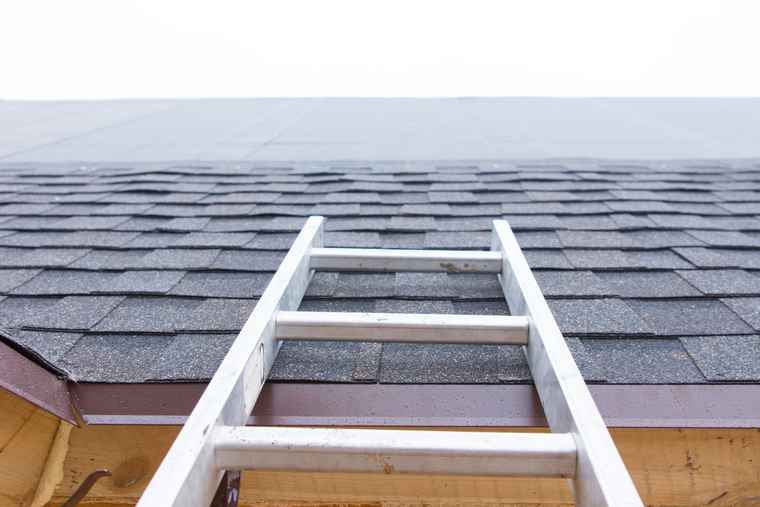
Gutters top to bottom: Water in the wrong spots can do a lot of damage. Start by ensuring that gutters downspouts are doing their job. (Don’t attempt this task yourself if you have a two-story house with a steep roof; hire a professional instead.) If your home is surrounded by deciduous trees you may need to clean out your gutters a few times a year, especially in the fall. Check to make sure your gutters are flush with the roof and attached securely, repairing any areas that sag or where the water collects and overflows. Clean out the gutters and downspouts, checking that outlet strainers are in good shape, and are firmly in place. Finally, check that your downspouts direct water away from your house, not straight along the foundation.

If you haven’t already, you may want to consider installing gutter guards. Gutter guards create a barrier so water can get through to your gutters, but debris cannot, limiting gutter buildup (and the time you spend cleaning out your gutters). There are DIY installation kits available or you can always hire a professional to install a gutter guard system.

If you have a sump pump under your house, now is a good time to test it. Run a hose to be sure draining water travels directly to the pump (dig small trenches if needed), and that the pump removes the water efficiently and expels it well away from the foundation. For more information about how sump pumps work go to howstuffworks.com.

Check for leaks: The best opportunity to catch leaks is the first heavy rain after a long dry spell, when roofing materials are contracted. Check the underside of the roof, looking for moisture on joints or insulation. Mark any spots that you find and then hire a roofing specialist to repair these leaks. What you don’t want to do is wait for leaks to show up on your ceiling. By then, insulation and sheet rock have been damaged and you could have a mold problem too.

Don’t forget the basement. Check your foundation for cracks, erosion, plants growing inside, broken windows, and gaps in window and door weathering.  Make sure to properly seal any leaks while the weather is nice. This will ensure materials dry properly.

Pest Prevention: Rodents are determined and opportunistic, and they can do tremendous amounts of property damage (and endanger your family’s health). As temperatures cool, take measures to prevent roof rats and other critters from moving in. Branches that touch your house and overhang your roof are convenient on-ramps for invaders, so trip back branches so they’re at least four feet from the house. If you do hear scuttling overhead or discover rodent droppings in your attic, crawl space or basement, take immediate action. The website http://www.thisoldhouse.com has several helpful articles on the topic.

Maintain your heating and cooling systems: Preventative maintenance is especially crucial for your home’s heating and air-conditioning systems. Fall is a smart time to have your systems checked and tuned up if necessary. Don’t wait for extreme temperatures to arrive, when service companies are slammed with emergency calls. Between tune-ups, keeps your system performing optimally by cleaning and/or replacing air filters as needed.

If you have a wood-burning fireplace, a professional inspection and cleaning will help prevent potentially lethal chimney fires and carbon monoxide poisoning. Even if you don’t use your fireplace often, always keep a supply of dry firewood or sawdust-composite logs so you have a backup heat source in an emergency.

Insulate & seal: Insulating your home is a cost-efficient investment, whether you’re trying to keep the interior warm in the winter or cool in the summer. Aside from more major improvements like energy-efficient windows and insulation, there are some quick fixes that do-it-yourselfers can tackle. If an exterior door doesn’t have a snug seal when closed, replace the weather stripping; self-adhesive foam stripping is much simpler to install than traditional vinyl stripping. If there is a gap under the door (which can happen over time as a house settles), you may need to realign the door and replace the vinyl door bottom and/or door sweep. Air also sneaks inside through electrical outlets and light switches on exterior walls. Dye-cut foam outlet seals placed behind the wall plates are a quick and inexpensive solution.

For more information on Windermere Evergreen please contact us here.

Buying & Selling November 27, 2017

Front Door Refresh

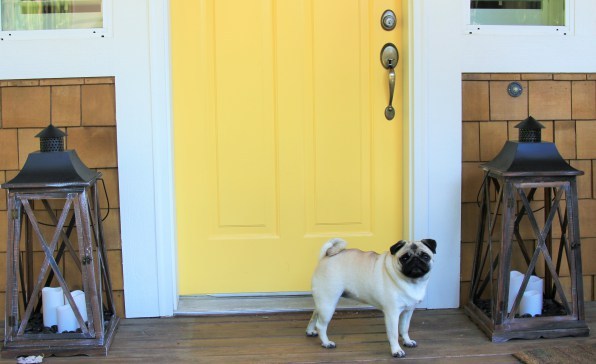
Make a bold statement with a “new” front door – color is mandatory. Something as simple as painting your front door can change the whole look of your home and its curb appeal. Be that house on the block that people have to double-take when they drive by.

Be Bright: We suppose it depends what you personally find “cheerful.” To us, this means yellows, pinks, blues, and oranges. Because what cute yellow door wouldn’t be inviting? It’s not just about the look; it’s about the feel too. These colors scream WELCOME!

Be Mysterious: If cheerful colors aren’t your thing, opt for a more mysterious look. Think deep purples, ruby red, forest green; majestic, sophisticated, colors of royalty.

The Details: Feeling daring? Dress up your door too. Just like jewelry, door knockers and designer hardware can add that extra special something.

For more information on Windermere Evergreen please contact us here.